How to Get Better at Bouldering
Is Bouldering a Good Workout?
Absolutely! Bouldering is an excellent full-body workout that challenges both your physical and mental abilities. It improves strength, endurance, flexibility, and coordination while offering a fun and dynamic way to stay active. The varying difficulty levels of climbing routes, known as problems, allow climbers of all skill levels to engage in an effective workout tailored to their abilities. As you progress, you’ll find that bouldering not only builds muscle but also enhances cardiovascular fitness, making it a fantastic addition to any fitness routine.
What Muscles Does Bouldering Work?
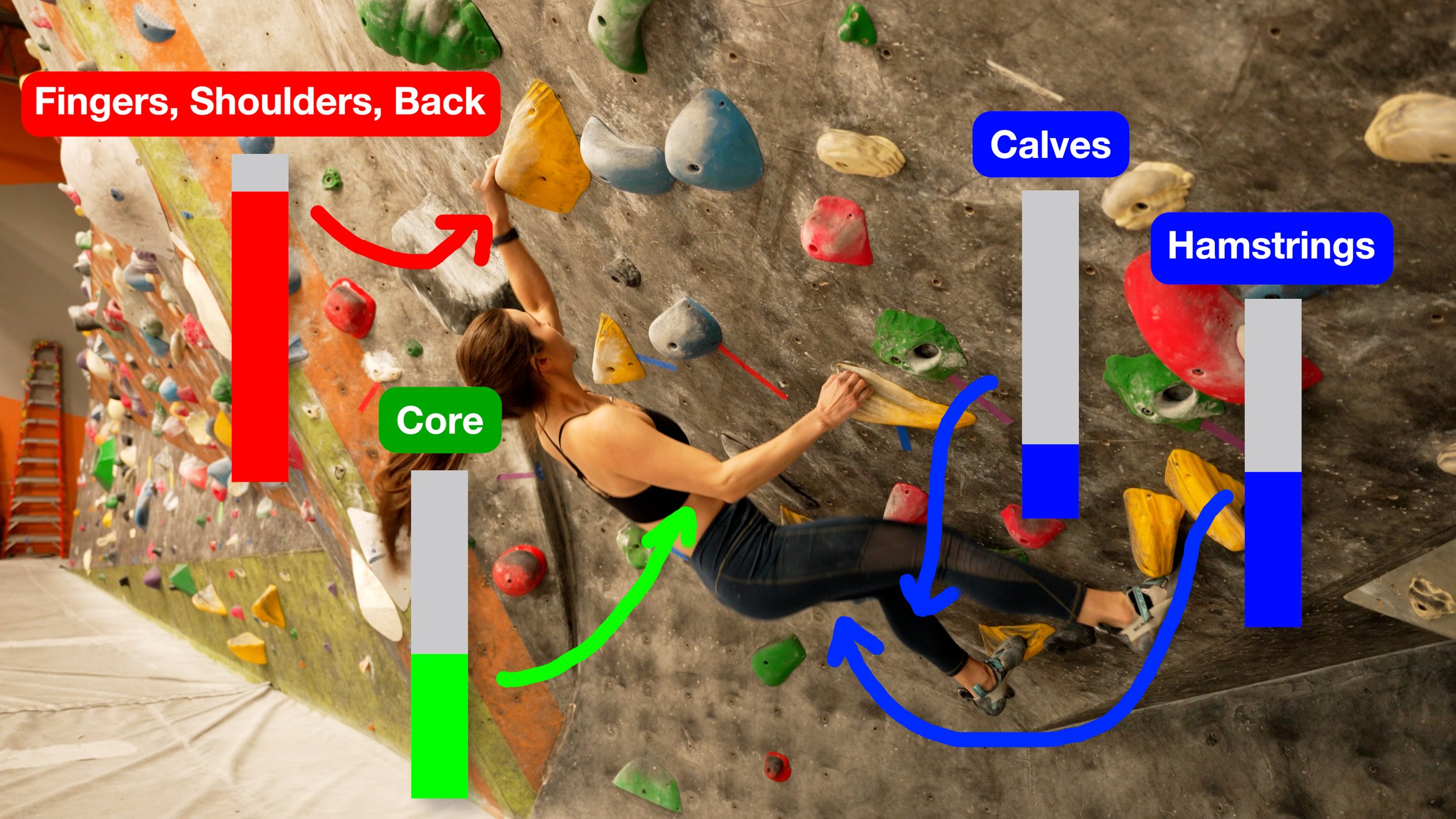
Bouldering engages multiple muscle groups, making it a comprehensive workout. Key muscle areas targeted during bouldering include:
- Upper Body: Your arms, shoulders, and back play a crucial role in pulling your body upward. Exercises like pull-ups and push-ups can enhance upper body strength, improving your climbing performance.
- Core: A strong core is essential for maintaining balance and control while climbing. Bouldering requires significant core engagement to stabilize your body, making exercises like planks and leg raises beneficial for climbers.
- Legs: Your legs are responsible for pushing your body upward and providing stability. Climbing demands powerful legs for effective foot placement and movement, so incorporating squats and lunges into your training routine can improve leg strength.
- Grip: The muscles in your hands and forearms are heavily utilized in bouldering. Developing grip strength is vital for holding onto holds and maintaining control, so consider using grip trainers or engaging in exercises like dead hangs to enhance your grip.
How to Fall When Bouldering
Falling is an inevitable part of bouldering, and knowing how to fall safely is essential for preventing injuries. Here are some tips to help you fall safely:
-
Use a Bouldering Mat: Always climb with a bouldering mat underneath you. These mats provide cushioning and protection when you fall, reducing the risk of injury. Invest in a high-quality bouldering mat that suits your needs and is large enough to cover the fall zone.
-
Practice Falling: Before attempting challenging routes, practice falling from lower heights. This will help you become familiar with the sensation and allow you to develop confidence in your ability to fall safely.
-
Control Your Fall: When you realize you’re about to fall, try to control your descent. Aim to land on your feet with your knees slightly bent, and roll to absorb the impact. Keep your body loose to avoid injury and use your arms to help stabilize your fall.
-
Avoid Falling Backward: If possible, avoid falling directly backward. Instead, try to fall to the side or forward to minimize the risk of landing on your back or head.
-
Use Your Bouldering Bag: If you’re climbing with a bouldering bag, position it near your landing zone to provide extra cushioning during falls.
Bouldering is a rewarding and effective workout that enhances strength, endurance, and coordination while engaging multiple muscle groups. By focusing on building your upper body, core, legs, and grip strength, you can significantly improve your climbing skills. Additionally, learning how to fall safely is crucial for enjoying the sport while minimizing the risk of injury.
As you embark on your bouldering journey, don’t forget to equip yourself with essential bouldering gear, including a reliable bouldering mat, a comfortable bouldering bag for easy transport, and a chalk bag to keep your hands dry for optimal grip. Whether you're purchasing from a bouldering gear manufacturer or exploring bouldering gear wholesale options, ensuring you have the right equipment will enhance your climbing experience.
With practice, perseverance, and the right gear, you can take your bouldering skills to new heights and enjoy all the physical and mental benefits this exhilarating sport has to offer!