How Dangerous is Ice Climbing
How Hard is Ice Climbing?
Ice climbing is inherently more demanding than traditional rock climbing. The unstable nature of ice, combined with freezing conditions, requires both physical strength and mental resilience. Climbers need to be prepared to handle unpredictable ice structures and adapt their techniques to varying conditions. Success often depends on mastering specialized ice climbing techniques, such as proper tool placement, footwork, and balancing weight effectively.
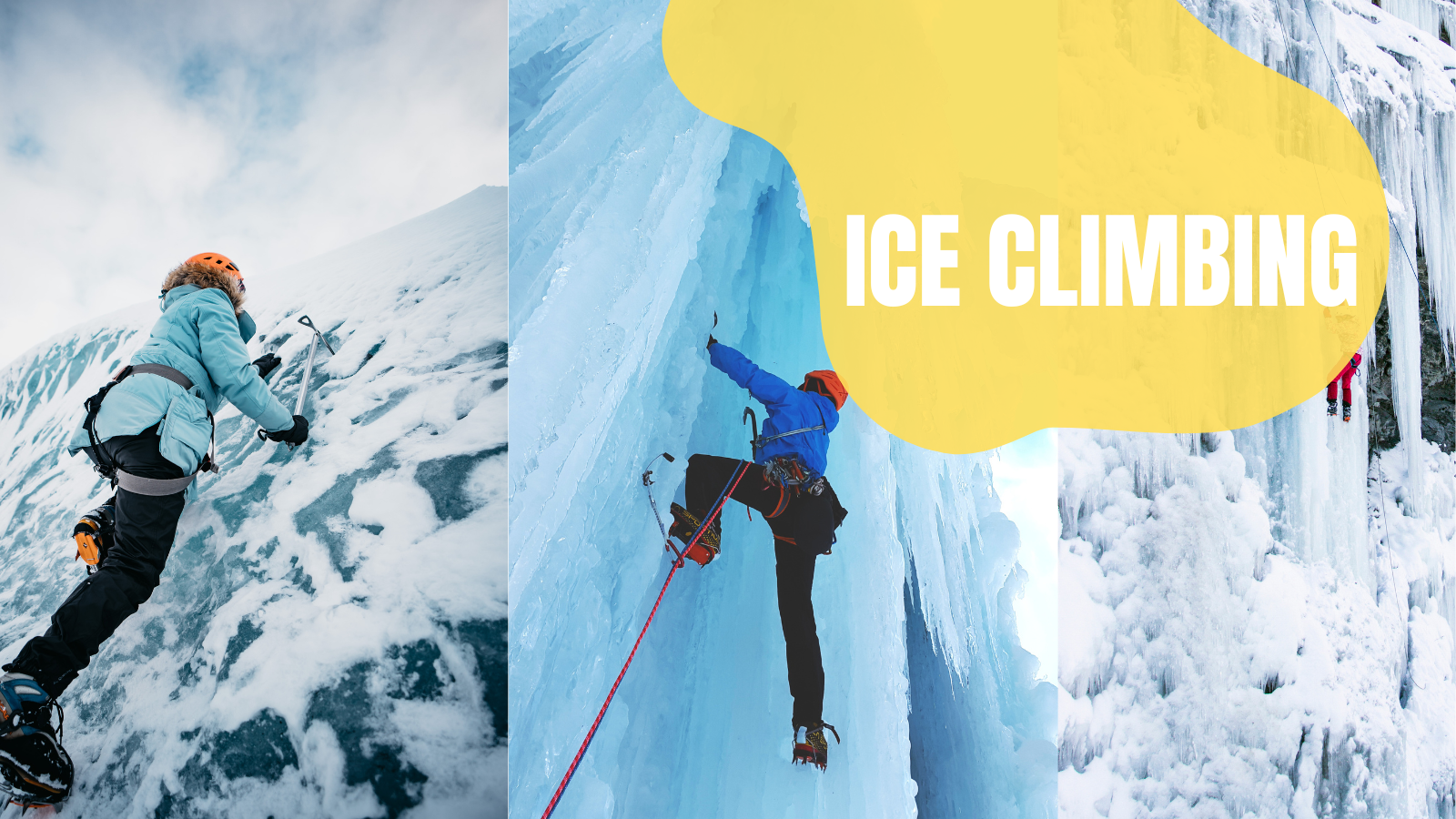
Ice climbing is significantly more difficult than traditional rock climbing for several reasons:
1. Unpredictable Ice Conditions: Unlike rock, ice can vary in texture, thickness, and stability. Some surfaces are brittle and prone to cracking, while others are solid but slippery. Climbers must assess these conditions constantly and adapt their techniques accordingly.
2. Physical Demands: Ice climbing requires immense upper body and core strength to hold positions while striking ice tools and securing foot placements. Endurance is key to maintaining balance and precision over long climbs.
3. Mental Challenges: Ice climbing demands quick decision-making under pressure. Knowing when to retreat due to unsafe conditions is as important as progressing upward. The need for constant focus adds a psychological challenge that can be as intense as the physical effort.
4. Cold and Exposure: Freezing temperatures and harsh weather conditions can take a toll on even the most experienced climbers. Managing cold-related risks like frostbite and hypothermia is part of the challenge.
What Training is Involved for Ice Climbing?
Before tackling icy terrains, climbers undergo comprehensive training that covers:
- Basic Techniques: Learning the proper use of ice tools, such as ice axes and ice climbing crampons, to anchor securely in ice.
- Physical Fitness: Building endurance, core strength, and flexibility to maintain stability and stamina during climbs.
- Safety Practices: Understanding how to evaluate ice stability, weather conditions, and risk factors.
- Technical Skills: Training in rope work, belaying, and rescue operations for added safety.
Many climbers also start with indoor ice climbing to practice in a controlled environment before venturing outdoors.
What Equipment is Needed for Ice Climbing?
Having the right gear is essential for safety and performance. A comprehensive ice climbing gear list includes:
1. Ice Axes: Dual axes for precise grip and anchoring.
2. Ice Climbing Crampons: Essential for maintaining traction on slippery ice.
3. Helmet: To protect against falling debris and ice.
4. Harness and Ropes: For secure climbing and descent.
5. Clothing: Insulated, waterproof layers to combat extreme cold and wet conditions.
6. Gloves and Gaiters: To keep hands and feet warm and dry.
For the best quality and durability, partnering with a trusted ice climbing gear manufacturer or ice climbing gear supplier ensures reliable equipment for your adventures.
Is Ice Climbing Dangerous?
Yes, Ice climbing comes with significant risks, such as falling ice, unstable structures, and extreme weather. However, these risks can be minimized with proper training, high-quality equipment, and careful planning. Hiring an ice climbing guide for your initial climbs can provide valuable expertise and safety assurance.
Free solo ice climbing, where climbers scale ice without ropes or safety equipment, takes these risks to the extreme and is not recommended for beginners or even most experienced climbers.
Advice for Aspiring Ice Climbers
If you’re drawn to the allure of ice climbing, take these steps to ensure a safe and rewarding experience:
1. Start small: Practice in controlled environments or on easier climbs with experienced partners.
2. Invest in training: Learn essential ice climbing techniques from certified professionals.
3. Get the right gear: Equip yourself with high-quality items from a trusted ice climbing gear supplier or ice climbing gear wholesale distributor.
4. Know your limits: Recognize when conditions are unsafe or when you're too fatigued to continue.
Ice climbing is not just about conquering icy heights; it’s a journey of skill, strength, and perseverance. Though challenging, it rewards those who prepare adequately and respect the risks involved. With proper training, reliable gear, and expert guidance, you can safely enjoy the breathtaking beauty of ice climbing. Whether you’re climbing for recreation or pushing limits with free solo ice climbing, preparation and awareness are key to enjoying this thrilling sport.